
What makes a house a home?
A reflection on the sense of self which comes with settling into a place
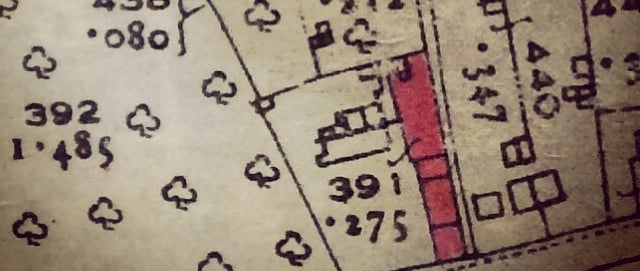
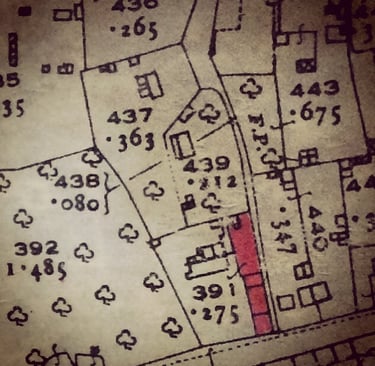
If asked, “Where are you from?” I used to say, “Nowhere, really.” I rather relished the confusion that followed - it gave me an opening to explain: “I was born in Germany, in Hannover. My father was in the Army. We moved a lot.” I was quietly proud of my itinerant beginnings.
I used to say I had lived at more addresses than my age, though I think I may have overtaken that now. Even so, the number remains higher than average - twenty-seven or so. In contrast, my husband has had three, two of which were also mine. In 2015 we bought our first home together, intending it to be a place to stay. It is the only home our daughter has known.
Here, in a building that has already stood for several centuries, I have come to understand what it means to feel at home. It is not only the building itself, nor simply who lives within it or where it stands, but the sense of self that emerges when you settle into a place. A home is somewhere you can find traces of others and leave traces of yourself; where your space becomes an extension of you, a reinforcement of who you are, and a place in which to grow.
This cottage gives me an oddly illogical sense of permanence, alongside continuity. Unexpectedly, it has allowed me to loosen my long-held avoidance of endings - a shift that has brought with it a surprising sense of freedom.
As children, we travelled widely and experienced many cultures, both at home and abroad. My younger sister and I wanted for little, but we also moved frequently. The result was a fluid sense of self, something I have struggled with ever since. Only recently have I begun to realise that while I may change - even if I change constantly - having a more permanent backdrop against which to do so allows those changes, both small and large, to return to a fixed point.
I never expected to put down roots. Yet I credit this house with helping me to find a sense of home within myself.